CASE STUDY: Solar, Wind & Diesel Hybrid Power Project — Eastern Caribbean
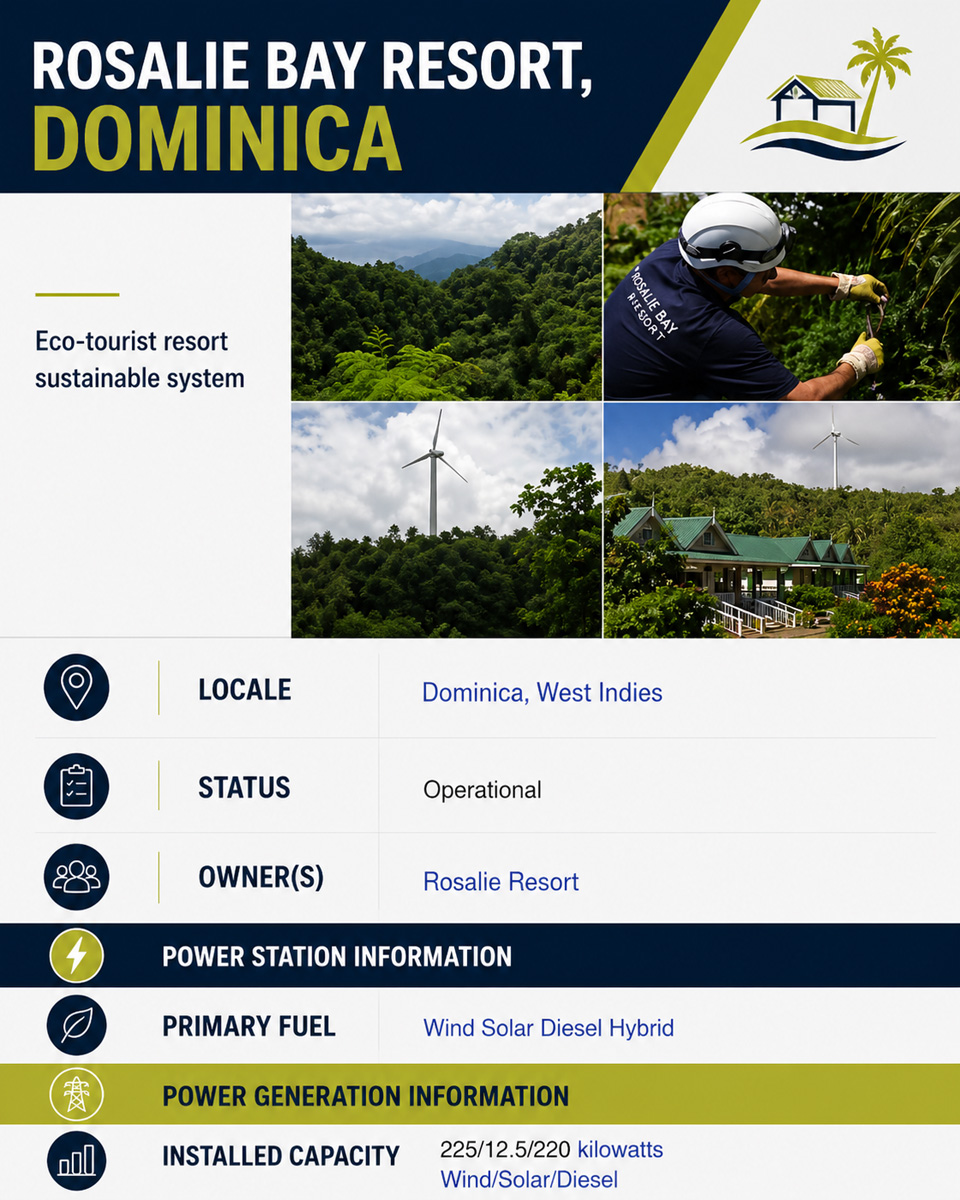
The Solar, Wind & Diesel Hybrid Power Project in the Eastern Caribbean represented a significant advancement in renewable energy infrastructure within island economies. Developed in collaboration with Sustainable Planning and Development, LLC, the project became the first utility-scale wind energy project completed and operational within member countries of the Organization of Eastern Caribbean States (OECS).
The project integrated wind generation, solar energy systems, and conventional diesel generation into a coordinated hybrid energy platform designed to improve electrical reliability, reduce dependence on imported fuel, and strengthen long-term grid resilience within island operating environments.
Murphy International Development supported development efforts associated with this landmark hybrid renewable energy initiative, reinforcing its experience in distributed energy infrastructure, hybrid system integration, and renewable energy development within remote and island-based markets.
Hybrid Renewable Energy Infrastructure
Island nations face unique energy challenges due to geographic isolation, high fuel transportation costs, and limited grid redundancy. The project was developed to address these challenges through the integration of renewable generation with existing conventional power systems.
By combining multiple energy sources within a single coordinated platform, the hybrid system improved operational flexibility and energy reliability while reducing exposure to fuel price volatility.
The integrated system included:
- Utility-scale wind generation
- Solar photovoltaic energy systems
- Diesel backup and balancing generation
- Hybrid system controls and load management
- Grid stabilization and operational coordination
This combination allowed renewable energy generation to operate alongside conventional infrastructure in a way that enhanced both performance and resilience.
Advancing Renewable Energy in Island Economies
The project represented a major milestone for renewable energy adoption within the Eastern Caribbean region. As the first operational utility-scale wind project within OECS member countries, it demonstrated the practical viability of renewable infrastructure in island-based utility environments.
The initiative contributed to broader regional goals involving:
- Reduced dependence on imported fuel
- Improved energy security and grid stability
- Increased renewable energy penetration
- Lower long-term operating costs
- Enhanced sustainability and emissions reduction
The project also served as an important demonstration of how hybrid energy systems could support reliable utility operations in geographically constrained environments.
Grid Reliability & Operational Resilience
Hybrid energy systems play a critical role in improving reliability within smaller utility grids where fluctuations in generation or demand can have significant operational impacts.
The Eastern Caribbean hybrid project was designed to:
- Improve system reliability and continuity of service
- Balance renewable generation with conventional backup power
- Support stable grid operation under varying conditions
- Increase resilience during fuel supply disruptions or severe weather events
By integrating renewable and conventional systems strategically, the project strengthened overall operational performance while supporting long-term infrastructure modernization.
Engineering & System Integration
Successfully implementing hybrid energy systems within island environments requires careful coordination between renewable generation technologies, existing utility infrastructure, and advanced control systems.
The project involved expertise in:
- Hybrid power system engineering
- Renewable resource integration
- Grid interconnection planning
- System controls and operational balancing
- Utility coordination and infrastructure support
Murphy International Development’s involvement reflected its broader expertise in distributed energy systems and integrated renewable infrastructure development.
Supporting Sustainable Energy Transition
The project demonstrated how renewable energy technologies could be integrated incrementally into existing utility systems without compromising reliability or operational continuity.
The initiative became an important regional example of:
- Distributed renewable energy deployment
- Hybrid energy infrastructure development
- Sustainable island energy planning
- Utility-scale renewable integration
- Long-term infrastructure resilience
Its success contributed to growing momentum for renewable energy adoption throughout the Caribbean Basin.
Murphy International Development’s Role
Murphy International Development supported development efforts associated with the Solar, Wind & Diesel Hybrid Power Project through its experience in renewable energy systems, hybrid infrastructure integration, and distributed energy project development.
The project aligned with Murphy International Development’s broader commitment to advancing sustainable energy infrastructure and supporting resilient renewable energy systems within island and remote operating environments.
Through involvement in projects such as this Eastern Caribbean hybrid initiative, Murphy International Development continues to demonstrate its expertise in renewable integration, utility-scale hybrid systems, and long-term sustainable infrastructure development.